Podcast: Play in new window | Download (20.0MB)
Confronting Floods and Building Climate Resilience
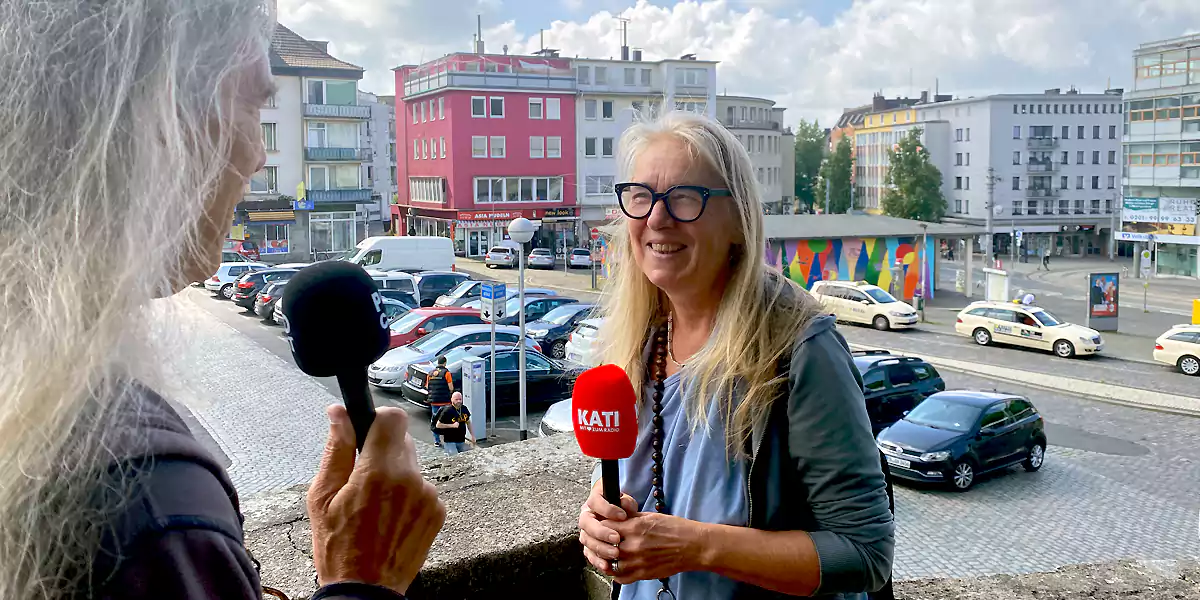
On July 14, 2025, exactly four years after devastating floods submerged Witten and surrounding areas, the Breddeviertel Podcast Aktuell hosted by Ralf Klein and Kerstin Glathe returned to a subject that is shaping the city’s identity: water. Not just the River Ruhr, but the “little sisters of the Ruhr”—the countless underground streams and hidden waterways that have defined Witten’s settlement, growth, and now its struggle with climate change.
Four Years After the Floods: Remembering the Disaster
In July 2021, torrential rain transformed Witten into a disaster zone. Dirk Lieder from the Witten Fire Department recalled rescuing seven people trapped on the flooded Steeger camping ground. The DLRG (German Lifeguard Association) was called in to evacuate families by boat. In nearby Herdecke, firefighter Michael Tillmanns described the situation as unprecedented: the Ruhr reached nearly a meter above its recorded maximum, forcing the evacuation of over 40 residents from their homes.
The memory of that catastrophe still shapes today’s debates. It underscored how vulnerable Witten remains to water—both too much of it and too little.
The “Little Sisters of the Ruhr”: Witten’s Hidden Streams
Witten is crisscrossed by around 150 kilometers of natural waterways, not counting the Ruhr itself. Many of these brooks and streams—known locally as “Bäche”—have been buried, diverted, or forgotten beneath modern streets. Ralf Klein, who has studied their history, explains that the Humboldtplatz, where the podcast recording took place, was once a swampy meadow traversed by the Bellerslohbach.
Street names still preserve their memory: Bachstraße, Pferdebachstraße, Bellerslohstraße, Beek, Steinbachstraße. Of the city’s 631 streets, at least 34 are linked to Witten’s waterways. But the brooks did more than give names—they guided early settlement, powered mills, fed market fountains, and even shaped social life. The Johannesbeeke, for instance, once supplied Witten’s market square fountain, a gathering place for washerwomen, traders, and townsfolk in the 18th and 19th centuries.
By the late 19th century, however, pollution, cholera fears, and industrialization pushed Witten to canalize and bury these streams. The Bellerslohbach was forced underground around 1900. Others, like the Pferdebach/Wannenbach, became industrial drains, carrying oil, acids, and chemical waste from factories into the Ruhr.
Floods Then and Now: A Recurring Challenge
History shows that heavy rain has always threatened Witten. In July 1917, the Pferdebach swelled so violently it destroyed railway embankments and flooded gardens—eerily similar to the floods of 2021. Early 20th-century attempts to control water relied on bigger pipes, stronger embankments, and underground channels. Yet each extreme storm overwhelmed the system again.
Today, the same issues persist. Many areas near the Wannenbach or Grotenbach require flood defenses such as sheet pile walls. Modern retention basins—like those at Pferdebachstraße or the new one for the Wallfischbach—attempt to absorb the pressure. But the underlying question remains: is it possible to tame water, or should Witten learn to live with it differently?
The Sponge City Concept: Witten’s Climate Adaptation Strategy
The answer may lie in the “Schwammstadt” (Sponge City) model. Instead of rushing rainwater into sewers, the idea is to let it seep into soil, be stored in green spaces, and support urban cooling during heatwaves.
Petra Klein, head of Witten’s Department for Urban Renewal and Climate Protection, stresses the need for greener, cooler urban spaces. Projects like the Breddegarten demonstrate how even small pockets of greenery can improve climate resilience by offering shade, lowering temperatures, and absorbing rainfall.
Tamara Gademann, Witten’s climate manager, explains:
“Industrialization paved over natural soils, forcing water straight into canals. The sponge city reverses that logic: water should infiltrate the ground, support vegetation, and strengthen resilience against both floods and droughts.”
Witten has commissioned engineers to identify model districts where sponge city principles can be implemented. Schools, public squares, and gardens are being redesigned to capture and store rainwater locally. Funding programs such as KRiS (Climate Resilient Region with International Impact) and support from the Emschergenossenschaft make these projects feasible.
What Citizens Can Do: From Rain Barrels to Urban Greening
While large-scale engineering is vital, residents also play a key role. Simple actions—like connecting rain barrels to gutters, planting balcony flower boxes, greening rooftops, or reusing water from showers and coffee machines for plants—make a difference.
As Gademann puts it:
“With greenery, more is always better. Every potted plant helps cool the city, every rain container prevents flooding, and every shared effort inspires neighbors.”
Even design-friendly rainwater containers are appearing in schools and community spaces, making water storage more attractive. The city also provides free advice through its flood-risk manager, who helps homeowners assess and prepare for heavy rainfall.
Witten’s Environmental Prize, first launched in 2023, encourages citizens to share and celebrate their climate adaptation projects, from community gardens to innovative water-saving ideas.
Witten’s Water Future
The story of Witten’s hidden streams reflects a broader truth: cities are shaped by water. Once open and central to daily life, Witten’s brooks became buried sewers. Now, amid climate change, the city seeks to rediscover water as an ally rather than an enemy.
By embracing sponge city principles, investing in green infrastructure, and mobilizing residents, Witten may turn its history of floods and hidden rivers into a model of resilience. The “little sisters of the Ruhr” may yet return—not as forgotten drains beneath asphalt, but as visible, living veins of a city adapting to the future.